The Twist-Tie Dilemma: Asheville's Sealed vs. Displayed Toy Divide
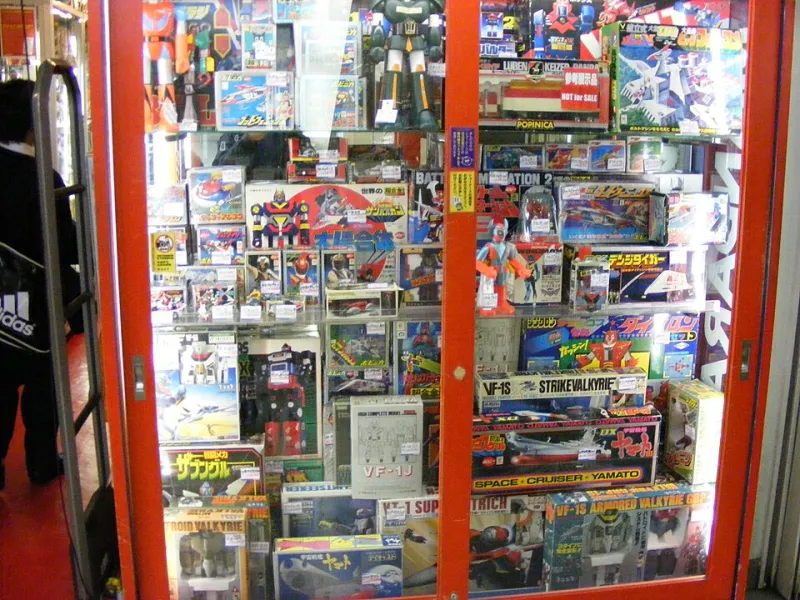
Photo: paranoidnotandroid, CC BY 2.0, via Wikimedia Commons
Ask five Asheville toy collectors whether to open the box and you'll get six answers. One will quote sold listings like a stock ticker. Another will tell you a toy trapped in plastic is a toy that never gets to do its job. A third will quietly admit they bought two — one to keep sealed, one to actually enjoy. The debate is older than the action-figure aisle, but in 2026 it has sharper edges: grading services are more accessible, online resale comps are easier to pull up on your phone, and the Blue Ridge humidity has a way of making preservation feel less like a hobby and more like a part-time job.
The Shelf vs. the Vault
At its core, the open-or-keep-sealed question is really a question about what you want the toy to do. A sealed package is a time capsule. It tells a story about retail shelves, cardboard condition, and the strange economics of nostalgia. An opened toy is a hands-on object. It can be posed, photographed, repaired, displayed without glare, and handed to a kid who asks, very reasonably, why the cool robot is stuck behind plastic.
Asheville collectors tend to split into two camps, but the split isn't hostile. It's more like the difference between someone who gardens for tomatoes and someone who gardens for the flower arrangement. Both are valid. Both require care. Both can go sideways if you leave them in a hot car.
What Asheville Shop Owners See
Local toy and game shop owners say the decision often comes down to the buyer's relationship with the item. A collector chasing a specific vintage figure might care deeply about a crisp card and an unpunched tab. A parent buying a birthday gift usually could not care less about the cardboard — they want to know whether the joints are tight and whether the thing survives a driveway. Shop staff often steer newcomers toward the middle path: buy the best condition you can afford, then decide based on whether you're collecting for resale or for the room you actually live in.
One West Asheville shop owner put it plainly: the worst outcome isn't opening a box or leaving it sealed. The worst outcome is buying something you're afraid to touch, then discovering years later that the tape yellowed, the bubble cracked, or the attic got too warm. Preservation without a plan is just procrastination with extra steps.
The Value Math (and When It Stops Mattering)
Yes, opening a package usually lowers resale value. How much depends on the toy, the condition, the character, and whether the packaging is part of the appeal. A common modern figure might lose a little. A scarce vintage item with a clean card can lose a lot. Appraisers who handle estate toy collections say the gap is widest when the packaging itself is collectible — unpunched tabs, original store stickers, intact bubbles, and clean corners all matter to the right buyer.
But value isn't only a resale number. A sealed item you never display can become clutter. An opened item you love can hold value as a memory, a conversation piece, or the start of a themed shelf. In 2026, the collector market is full of buyers who want both: they'll pay for sealed examples, and they'll also pay for loose figures in great shape. The trick is knowing which market you're actually in before you tear the tape.
Humidity, Sunlight, and the Blue Ridge Learning Curve
Asheville's climate deserves a mention in any preservation conversation. Attics get hot. Basements get damp. Sunlight through a window can fade a box faster than a kid can lose a lightsaber accessory. Collectors who keep items sealed often invest in acid-free storage, UV-filtered cases, and climate control. Collectors who open their toys still need to think about dust, direct sun, and the occasional enthusiastic pet.
Local appraisers and longtime collectors offer a practical rule: control the environment before you worry about the label. A mint-in-box toy in a damp closet is not really mint. A displayed loose figure on a shaded shelf with a little dust is usually fine. If you're keeping something sealed for the long haul, treat the box like the collectible it is — because it is.
A 2026 Beginner's Checklist
For newcomers, the guidelines are refreshingly simple. Research recent sold prices, not asking prices. Check whether the packaging is original or a reproduction. Decide whether you're collecting for investment, display, or play — and be honest about which one wins. If you can afford two, buy two. If you can't, don't let the box make the decision for you.
Shop owners also suggest starting with items that are replaceable. Opening a common modern figure is a low-stakes way to learn how you feel about loose collecting. Opening a rare vintage piece is a bigger commitment. And if you're buying as a gift for a child, remember that the child's joy is part of the toy's purpose. A sealed package is a nice surprise for a collector. It's a confusing surprise for a seven-year-old.
The Only Rule That Sticks
There's no universal answer, and that's what makes the debate fun. Asheville's toy scene is full of people who keep sealed grails in acrylic cases and people who rotate loose figures on open shelves every few weeks. Both groups show up at the same shops, swap meets, and game nights. Both groups have regrets. Both groups have favorites they'd never sell.
The practical takeaway for 2026 is less about the plastic and more about the intention. Know why you're buying it, know what condition means to you, and know that the box is only one part of the story. Sometimes the best collector move is to leave it sealed. Sometimes it's to free the figure, pose it badly, and enjoy the thing you paid for. The twist-tie dilemma doesn't have a single right answer — but it does have a lot of good conversations.