Pocket Change, Real Treasure: A $20-per-Stop Collectible Crawl Through Asheville
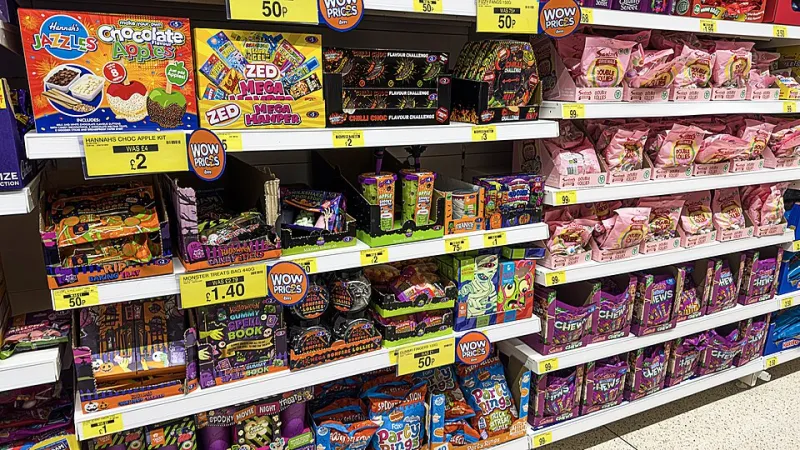
Photo: Own work, taken with an iPhone 14 Pro., CC BY-SA 4.0, via Wikimedia Commons
Twenty bucks does not go far at a big-box store. At Asheville's independent toy and collectible shops, it can go sideways in the best way. The trick is to stop shopping like you are restocking a shelf and start shopping like you are hunting for a story.
That is the idea behind the $20-per-stop toy crawl: a loose route through town where the budget is small, the pace is slow, and the finds are allowed to be weird. You are not trying to complete a collection. You are trying to notice the stuff tucked behind the register, under the glass, and in the bowl of loose figures nobody has bothered to sort.
This route works as a downtown walk if you keep it tight. Add West Asheville and the River Arts District and it becomes a short drive. Either way, bring cash, a tote, and a little restraint. The $20 cap is the whole game.
The Rules of the $20 Crawl
Set a hard limit per stop. One shop, one twenty-dollar bill, no exceptions. If you find something great for $22, put something back or walk away. The constraint is what makes you look harder.
Bring a short scavenger list. Mine looks like this: a blind box from a series you have never heard of, a loose figure with visible play wear, a single game component like a meeple or die, a miniature smaller than your thumb, and one item that makes you ask, out loud, what is this? That list keeps you from buying the first shiny thing and calling it a day.
Ask for help. Independent shop owners are usually the best search engine in the room. Ask what is new in the case, what has been sitting too long, or what they would buy with $20 if they were you. The answers are often better than the display itself.
Stop 1: Downtown's Case-Centric Side Streets
Start downtown, where the shops are close together and the display cases do most of the talking. Lexington Avenue and the side streets around Wall Street are good places to begin because you can cover several storefronts without moving the car.
This is where the $20 crawl shines. A lot of downtown shops keep small collectibles behind glass: blind-box figures, miniatures, enamel pins, tiny puzzles, and loose toys in little trays. Prices are all over the place, which is exactly why you ask before you assume. A boxed figure might be $30. A loose one from the same shelf might be $6.
Look low. The bottom shelf is where the odd stuff lives. Look near the register, too. That is where shops put the impulse buys, the clearance blind boxes, and the single figures that lost their packaging years ago. A $10 blind box plus two $5 loose figures is a perfectly respectable haul. It is also three new things to argue about in the car.
Stop 2: Haywood Road's Loose-Bin Dig
West Asheville is a different kind of hunt. The shops along Haywood Road tend to be looser, dustier, and more interested in the joy of the dig. You are less likely to find a perfectly curated case and more likely to find a bin of die-cast cars, a shoebox of action figures, or a stack of board games missing one important piece.
This is where $20 can buy a small crew instead of a single trophy. Dig for character over completeness. A vintage figure with a rubbed-off paint job and no accessory can still be the best thing on your desk. A $3 die-cast car with a chipped roof has more personality than a mint one in a blister pack. If you are shopping with kids, give them the scavenger list and let them negotiate the bin. They will find things you walked right past.
One warning: loose bins are a trap for the unfocused. Stick to the list. Otherwise you will leave with a plastic bag of random parts and no memory of why you bought any of it.
Stop 3: The River Arts District Miniature Detour
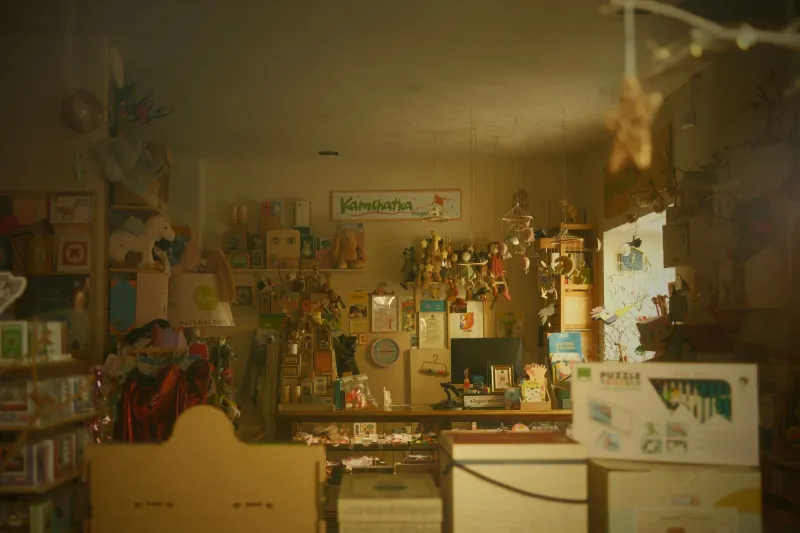
The River Arts District is not a traditional toy district, which is exactly why it belongs on this crawl. Between the studios and small shops, you can find handmade minis, wooden toys, art figures, and tiny objects that feel like they belong in a dollhouse for ghosts.
This stop is less about volume and more about one good find. Twenty dollars might buy a single small handmade piece instead of a pile of mass-market stuff. That is fine. The point of the crawl is not to come home with the most objects. It is to come home with something you would not have found anywhere else.
Ask about seconds, samples, or small works that are not in the main display. Artists and shopkeepers often keep a tray of slightly imperfect pieces that are perfect for a budget collector. A wonky little creature with one eye painted lower than the other is not a defect. It is a personality.
What $20 Actually Buys
A realistic downtown stop might look like this: one $9 blind box, one $5 loose figure, one $3 miniature, and a $2 game token from a parts bin. That is four small finds for the price of a fast-food lunch for one person.
A West Asheville stop might be one $12 vintage figure and four $2 die-cast cars. A River Arts District stop might be a single $18 handmade mini and a $2 sticker. None of these are impressive by collector standards. All of them are more interesting than another plastic thing ordered online.
The crawl also teaches you how your local shops work. You learn which case has the good six-dollar figures, which owner saves weird donations for the right kid, and which shop is worth circling back to when you have a little more room in the budget.
Etiquette Makes the Hunt Better
Ask before you open a case. Do not peel blind boxes to peek. Keep drinks away from the displays. If a shop is busy, circle back instead of camping in front of the register. Cash is not required, but it does make a small purchase feel less like a chore for the person ringing you up.
And do not haggle over two dollars. The $20 crawl is a game, not a negotiation. The fun comes from the constraint, not from talking a shop owner down on a five-dollar toy.
The Real Prize Is the Route
By the end of the day, you will have spent maybe $60 across three stops. You will also have a pocket full of odd little objects, a few new favorite shops, and a better sense of where Asheville hides its good stuff. That is the local shopping version of a win.
Toy Box Asheville's Local Game Guide is built for exactly this kind of low-stakes, high-personality outing. You do not need a big budget to be a collector. You need a route, a list, and the willingness to crouch down and look at the bottom shelf.