The Repair Bench Chronicles: How Asheville Gives Broken Toys a Second Act
There’s a particular kind of heartbreak that happens when a favorite toy gives out. Maybe it’s the vintage action figure whose hip joint has gone noodly. Maybe it’s the stuffed rabbit that has been loved into a lopsided, one-eyed state. Or maybe it’s the flea-market find with great bones and a battery compartment that looks like it hosted a science experiment.
In Asheville, that heartbreak often turns into a conversation rather than a toss in the trash. Around West Asheville, the River Arts District, and the smaller shops tucked along Haywood Road, there’s a low-key culture of fixing things—toys included. Some of it happens on shop workbenches. Some of it happens in garages, at kitchen tables, and on craft-room floors. And a lot of it starts with one question: is this worth saving?
The Fixers You Haven’t Met Yet
“People bring me the stuff they feel guilty about,” says Marcus, a hobbyist who runs a small repair bench out of his West Asheville garage and takes on a handful of toy jobs each month. “It’s usually not about the money. It’s about the story. Dad’s old slot car. A kid’s first plush. Something from a grandparent’s house.”
His setup is not fancy. A soldering iron, a box of salvaged screws, a jar of mismatched eyes, a magnifying lamp, and a lot of patience. He’s fixed die-cast cars with broken axles, restrung dolls, and brought a battery-corroded boombox toy back to life with white vinegar, a soft brush, and a lot of careful drying time.
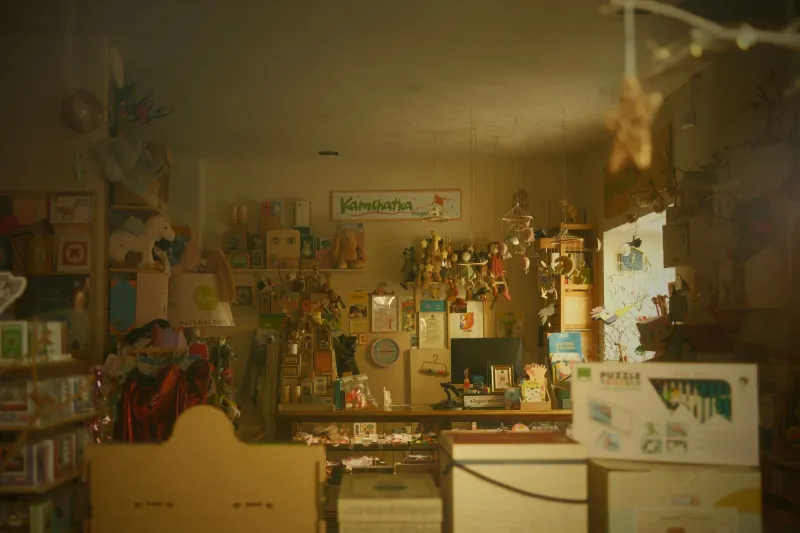
Shop staff around town tell a similar story. At toy and game shops, the questions come in waves: Can this be repaired? Do you know someone who fixes stuffed animals? Is this old thing even safe to give a kid? The answers vary, but the impulse is consistent. Asheville likes a second act.
Kid-Safe Repairs vs. Collector-Grade Restoration
The first fork in the road is purpose. A toy that will go back into a child’s hands needs to be safe, sturdy, and washable. A toy that will sit on a collector’s shelf needs to look right and preserve value. Those are different jobs.
For kid-safe repairs, local fixers tend to favor non-toxic glue, strong stitching, and replacement parts that are close enough rather than perfect. A wobbly joint might get a careful drop of craft glue or a replacement pin. A torn seam gets a ladder stitch. Paint touch-ups are usually avoided on toys that will be chewed, hugged, or dragged around, because most paints aren’t meant for that kind of contact.
Collector-grade restoration is fussier. Enthusiasts talk about reversible repairs, original parts, and the difference between cleaning and altering. A faded paint touch-up can hurt value if it’s done with the wrong paint or a heavy hand. Missing parts are often better left missing than replaced with something that looks close but isn’t right. “The goal is to stabilize, not to erase history,” Marcus says.
The Usual Suspects: Four Repairs That Come Up Again and Again
Loose joints. Action figures, dolls, and transformable robots are prone to this. Sometimes the fix is as simple as tightening a screw. Sometimes it means swapping a pin or using a tiny amount of a product like clear nail polish to add friction. The key is to test slowly and avoid over-tightening, which can crack older plastic.
Faded paint. Sun exposure, play wear, and cleaning products all take a toll. For kid toys, leave it alone or accept a little character. For collectibles, consult someone who knows the material before touching it. A cotton swab and mild soap is usually safer than a paint match.
Missing parts. A missing cape, wheel, or accessory can be a dealbreaker. Local collectors often source parts through swap meets, online groups, and parts lots. Reproductions are common, but they should be labeled as such if the toy is ever sold.
Battery corrosion. This is the classic rescue job. White vinegar on a cotton swab can neutralize the crusty stuff, but the real work is drying everything thoroughly and checking for damaged contacts. If the corrosion has eaten into the circuit board, the toy may be a display piece rather than a player.
The Worth-It Checklist
Before you hand over a toy—or break out the glue gun—run through this quick list:
- Sentimental value: Is this a family piece or a replaceable item? Sentiment often justifies a repair that doesn’t make financial sense.
- Safety: Will a child put it in their mouth? Avoid repairs with small parts, toxic adhesives, or loose paint.
- Originality: Is it a collectible where original parts matter? If yes, go slow and keep any replaced pieces.
- Repair cost: A $15 fix on a $20 toy is usually a no. A $15 fix on a childhood favorite is usually a yes.
- Material: Old plastics can be brittle. Plush can be washed. Metal can rust. Know what you’re working with.
- Reversibility: Can the repair be undone later? Reversible fixes are almost always the better choice.
Where Asheville Goes From Here
If you’re not handy, start by asking at local toy and game shops—staff often know who takes on repair work or can point you toward hobby groups. Craft and fabric stores around town can help with plush repairs and sewing supplies. For electronics-heavy toys, a local maker or repair café is worth a look. And if you’re the DIY type, practice on a thrifted toy before you touch the one that matters.
The bottom line is simple: not every broken toy needs to be saved, but plenty of them can be. In a town that likes handmade things and second chances, the repair bench is a natural extension of the toy shelf. Sometimes the best part of the story is the part where the old thing gets to keep going.