The Cardboard Test Drive: How Asheville Shops Are Turning Demo Tables Into Game Night Training Grounds
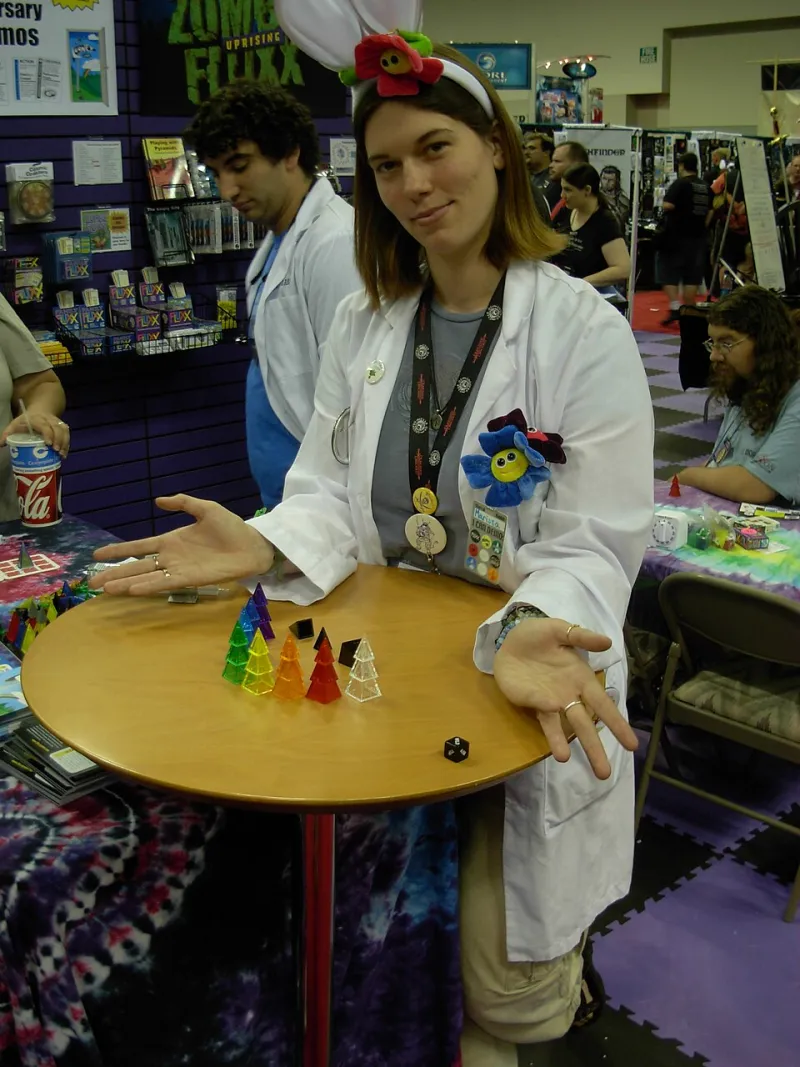
Photo: myself (User:Piotrus), CC BY-SA 3.0, via Wikimedia Commons
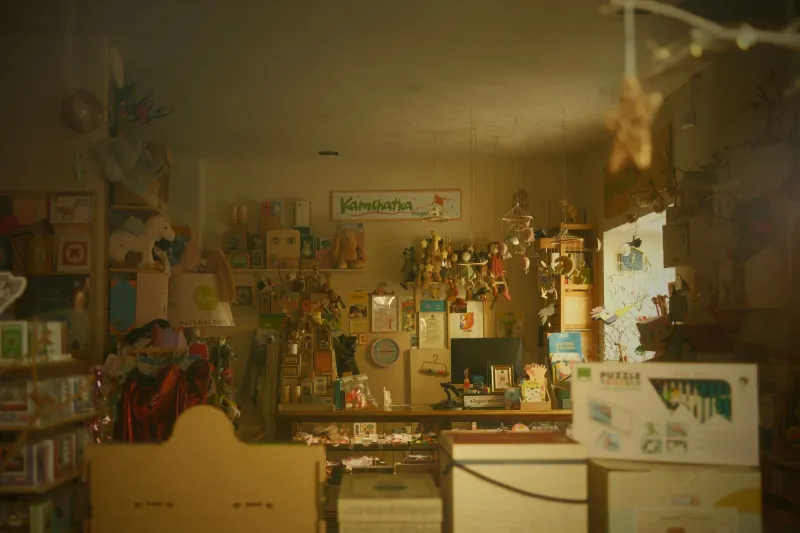
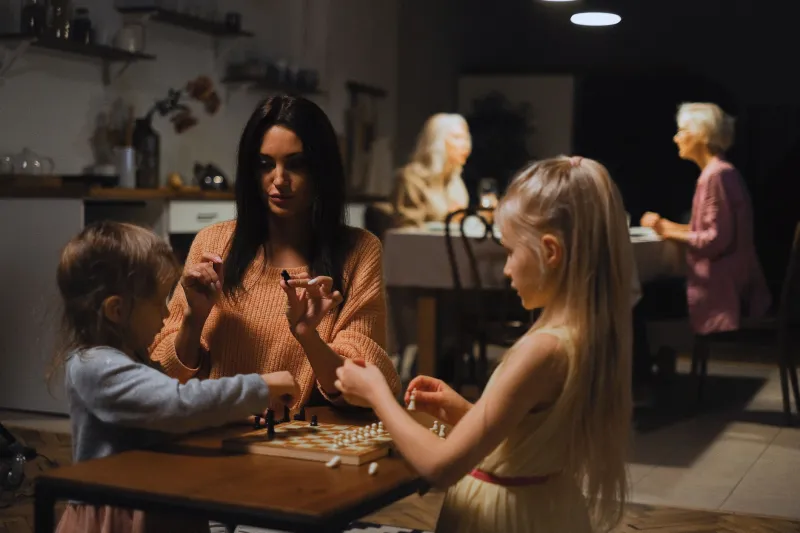
On a drizzly Saturday in West Asheville, the sound inside a local game shop is not the polite hush of a showroom. It is the clatter of dice, the shuffle of cards, and a kid explaining—with total seriousness—why the dragon token absolutely has to go on the blue space. A few feet away, a parent is turning a box over in their hands, watching the demo table do the work that a product description cannot.
That scene is becoming familiar across Asheville. In 2026, demo tables are no longer a nice extra tucked near the register. They are becoming the heart of how local toy and game shops sell games, build community, and help shoppers avoid the classic shelf-of-shame mistake: buying a box that looks great and plays nothing like you hoped.
From Silent Shelves to Social Spaces
For years, the model was simple. A shop stocked shelves, faced the boxes out, and let cover art and publisher hype do the persuading. That still matters, especially in a town full of collectors who know what they like. But a box is a promise, not a test drive. A demo table changes the conversation.
At its best, an open-box table turns browsing into a low-pressure game night. Families stop in for ten minutes and leave with a better sense of what their kids will actually play. Couples waiting out a Blue Ridge rain shower discover a quick two-player card game. Collectors who mostly chase sealed product get a chance to see whether a hot release has staying power beyond the shrink wrap.
That hands-on moment is especially valuable in Asheville, where shopping local is part of the culture. People want to support indie shops, but they also want their dollars to land on something that earns its shelf space. A demo table bridges that gap without a hard sell.
How Shops Choose the Permanent Demo Lineup
Not every new release gets an open copy. Retailers have to be choosy, because a demo table is a living display. It takes up room, staff attention, and replacement parts. Most shops build their lineup around a few practical questions.
First: can someone learn it in a few minutes? Demo games need to teach fast. A heavy strategy title with a forty-minute rules explanation may be a great game, but it is a rough fit for a table where people wander up mid-afternoon. Shorter family games, party games, and light strategy titles tend to earn permanent spots because they can be played in a single store visit.
Second: does it hold up to repeat play? A demo copy gets shuffled, tapped, rolled, and packed away far more than a home copy. Shops look for sturdy components, clear iconography, and rules that survive being taught by strangers. Games with flimsy cards or dozens of tiny exclusive pieces are often rotated out or kept behind the counter.
Third: does it fit the room? Table footprint matters. A sprawling miniatures game may be a showstopper, but it can swallow an entire demo area. Shops often favor games that seat two to six players without needing a banquet table.
Finally: will locals actually bite? Asheville has a strong family crowd, a healthy adult game night scene, and a collector base that pays attention to new releases. Shops watch which titles get picked up, which ones get questions, and which ones keep coming back to the table. Seasonal rotation is common. Spooky-themed games may get more play in October, while quick party games dominate holiday shopping weekends.
The Unwritten Rules of Open-Box Play
Demo table diplomacy is real. The good news is that most of it comes down to common sense and a little respect for the next player.
Ask before you open. If a game is already set out with a demo sign, it is usually fair game. If it is sealed, do not crack it open yourself. Staff can tell you whether a play copy exists.
Keep components at the table. It sounds obvious until a stray meeples ends up in a pocket or a rulebook wanders off. Demo copies are shared resources, and missing pieces can sideline a game for weeks.
Clean hands, no snacks. A demo table is not a picnic spot. Greasy fingers and cardboard do not mix, and a spilled drink can end a game's run faster than a bad review.
Reset when you are done. Shops appreciate players who sort cards, bag pieces, and put the box back the way they found it. If you are not sure how, ask. Staff would rather answer a question than rebuild a demo copy from scratch.
Supervise younger players. Kids are welcome at most demo tables, but a parent nearby helps keep tiny pieces out of mouths and big games from becoming chaos. If a game is marked for older players, respect the label.
Do not hog the table. A long demo session is fine on a quiet Tuesday. On a busy Saturday, cycle out after a round or two so someone else can try. The table works best when it keeps moving.
Why Hands-On Beats a Hundred Reviews
Online reviews still matter. They can warn you about a rulebook that reads like tax paperwork or a game that only shines with the right group. But reviews are somebody else's experience. A demo table is yours.
That difference is huge for gift shopping. A parent can see whether a game holds a child's attention for twenty minutes or ten. A collector can feel the component quality instead of trusting a photo. A host can test whether a party game actually gets laughs or just sits there while everyone checks their phone.
For local shops, the demo table also acts as a quiet filter. It reduces returns, builds trust, and gives staff a natural way to start conversations. Instead of asking, 'Can I help you?' they can ask, 'Have you tried this one yet?' That is a much easier door to open.
In a city that loves a good game night, that matters. Asheville shoppers are not just buying cardboard. They are buying the promise of a Tuesday with friends, a rainy afternoon with the kids, or a holiday gathering that does not end in awkward silence. A demo table lets them test that promise before it comes home.
So the next time you see an open box and a half-finished game on a shop table, do not walk past it. Pull up a chair, ask for a quick teach, and roll a few dice. Just remember to put the pieces back when you are done. The next game night might depend on it.