Sort First, Smile Later: A Toy Trade-In Field Guide for Asheville Closets
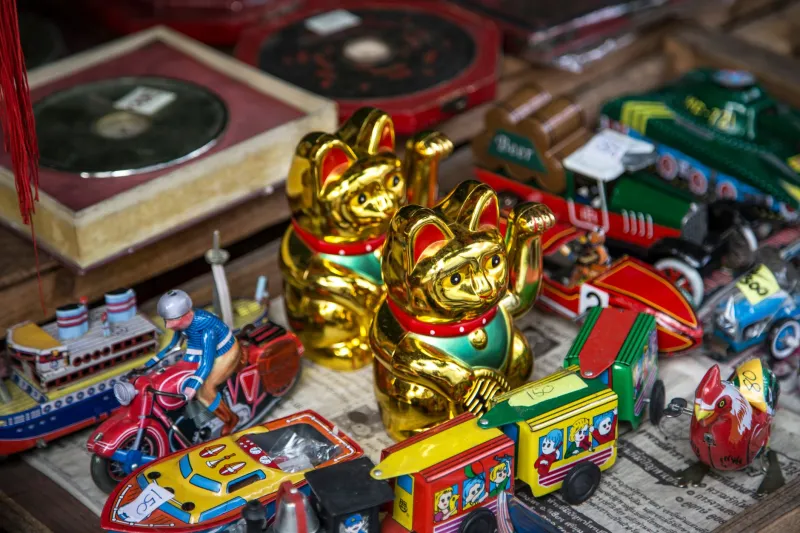
Every few weeks, someone hauls a plastic tote into a local toy shop, pops the lid, and says the same hopeful sentence: “There’s probably some good stuff in here.” Sometimes they are right. Often they are half right. The difference between a shrug and a solid store-credit offer usually comes down to a few unglamorous details — condition, completeness, demand, and whether the item has any real shot at earning shelf space.
Trade-ins are not a magic trick, and they are not a pawn shop transaction. At their best, they are a matching service. A buyer is trying to connect your old toys with the next kid or collector who will actually want them. Understanding how that match gets made is the difference between walking out with a fair offer and walking out convinced you got lowballed.
What Buyers Notice Before You Finish Opening the Box
Condition is the first filter, and it is brutal in a quiet way. A buyer is not looking for perfection in every piece, but they are scanning for the big stuff: broken joints, chipped paint, missing limbs, cracked cases, sun-faded boxes, smoke smell, pet hair, sticky residue, and the dreaded “someone tried to fix this with superglue” situation.
A little play wear is normal. A action figure with loose joints can still move. A board game with worn corners can still be played. But heavy damage changes the category of the item. It goes from “collectible” to “bargain bin” to “parts,” and parts are a hard sell in most shops.
Clean matters more than people expect. You do not need to detail every crevice, but a quick wipe-down with mild soap and water — and a full dry before bagging — makes a real difference. Skip harsh cleaners, skip sticker-removal experiments, and definitely skip painting over scuffs. Buyers can spot a touch-up, and a well-meaning repair often lowers value instead of raising it.
Complete Sets Beat Star Power
A rare figure is nice. A rare figure with its original accessory, file card, and box is a different conversation entirely. Completeness is the second big filter, and it applies across the board: action figures, playsets, dollhouse furniture, die-cast cars, board games, trading cards, and building sets.
For board games, that means counting pieces. A game missing a handful of tokens might still be sellable, but a game missing the rulebook or a key deck is a much harder ask. For toys, it means checking whether the vehicle still has its roof, whether the playset still has the ramp, and whether the instructions are folded in the bottom of the bin. Original packaging helps, but only when it is in decent shape. A crushed, water-stained box does not add much.
One practical tip: do not mix a complete, desirable item into a bag with a pile of random parts. Buyers often price in lots, and a gem buried in a junk bag tends to get averaged down. Sort first. Then let the good stuff stand on its own.
Demand Runs in Cycles, and Shelf Space Is Finite
Toy shops are not warehouses. Every square foot has to earn its keep, which means buyers think about turn rate — how quickly an item is likely to sell. That is where demand cycles come in. Certain franchises heat up around a new movie, a convention, a holiday, or a nostalgia wave. Others cool off for years. A toy that was hot last spring might be a slow mover by fall.
Seasonality matters, too. In Asheville, holiday gifting, rainy-weekend family shopping, and local game nights all shape what moves. Board games and family-friendly staples tend to get a second look heading into gift season. Collectible figures and vintage items depend more on the collector traffic already walking through the door.
Shelf appeal is the shorthand buyers use for all of it: Will this look good on display? Is it easy to explain? Does it fit a category the shop already sells? A clean, complete item from a known line is easy to merchandise. A random, incomplete oddity might be cool, but if the shop cannot picture the buyer, the offer will reflect that uncertainty.
The Pre-Trade Checklist
Before you load the car, do a pass at home. It saves time and usually improves the offer.
- Gather everything. Pull the figures, vehicles, playsets, cards, instructions, inserts, and original boxes together. Check pockets, bins, and the bottom of the toy chest.
- Clean gently. Wipe surfaces with mild soap and water. Dry fully. Do not use bleach, acetone, or abrasive pads.
- Test what can be tested. Put batteries in electronic items. Check that lights, sounds, and moving parts work. Remove old batteries before transporting.
- Sort by category and completeness. Keep complete sets together. Separate obvious junk, broken parts, and anything with mold or heavy damage.
- Check sold prices, not asking prices. Online listings are wishes. Completed sales are evidence. Use them as a reality check, not a script.
- Call ahead. Ask about trade-in hours, any item limits, and whether the shop is currently buying the categories you have.
- Bring identification. Some shops require it for trade-ins, especially for higher-value transactions.
- Set your own floor. Decide in advance what you would accept in cash and what you would accept in credit.
How to Avoid a Lowball Offer
The best defense against a disappointing offer is preparation, not confrontation. Ask the buyer how they arrived at the number. A good shop can usually tell you which items drove the offer and which ones they passed on. That breakdown is useful information, even if you do not love the total.
Do not bundle a high-value item with a box of commons and expect the buyer to separate them for you. Do not “restore” anything with paint or glue. Be upfront about flaws. And remember that store credit is not a consolation prize — it is often the better deal. Many shops pay more in credit than in cash because the money stays in the store. If you are already planning to buy games, cards, or collectibles, credit can stretch further than a cash payout.
It also helps to get more than one quote if you have the time. Local shops have different customers, different shelf space, and different appetites. One store might pass on a bulky playset that another store can move quickly. That is not shady. It is just retail.
The Last Word: Sort Before You Sell
The trade-in counter is not a judgment on your childhood. It is a filtering process. Clean items, complete sets, realistic expectations, and a little patience go a long way. If you sort first and smile later, you are far more likely to leave with a fair offer — and maybe a little store credit for the next thing that catches your eye.