The Duplicate Drawer: Asheville's Blind-Box Swap Nights Are Turning Spares Into Social Currency
A folding table in West Asheville. A row of tiny vinyl figures lined up like a neighborhood potluck. A kid in a Pokémon hoodie carefully explaining why one Smiski is worth two Sonny Angels, while a grown collector two seats over pretends not to care and absolutely cares. That is the scene at Asheville's blind-box swap nights, and if you have only ever opened blind boxes alone on your couch, it is a different hobby entirely.
Blind boxes have always had a built-in social problem: you buy a case, you get duplicates, and the duplicates go in a drawer. Swap nights take that drawer and turn it into a trading floor. Shops around Asheville have started hosting these meetups on weeknights and slow Sunday afternoons, and the format is simple enough that a first-timer can walk in with three spares and walk out with something they actually wanted.
How a Swap Night Actually Runs
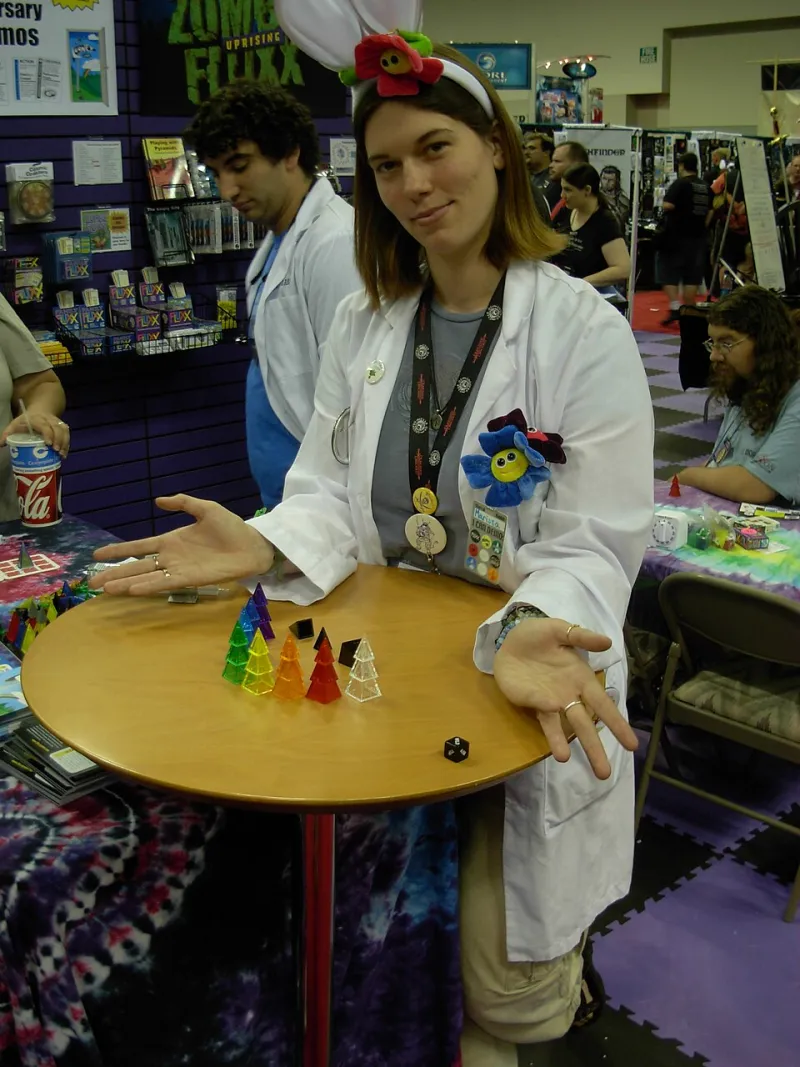
The best events are not chaotic free-for-alls. Most Asheville shops set up a few distinct zones. There is usually a check-in table where you label your duplicates with your name or initials, a display area for the figures you are willing to trade, and a separate table for browsing. Some shops charge a small entry fee that goes toward snacks or a raffle; others make it free with a purchase or a same-day receipt. The point is not to gatekeep. The point is to give people a reason to stay awhile.
The first twenty or thirty minutes tend to be the quietest. People unpack, compare series, and do the slow walkaround. Then the host calls the room together for a quick rundown of the rules: one-for-one trades by series, ask before you touch, no pressure tactics, and disclose defects. After that, the room loosens up. You will see a kid negotiate a three-way trade with two adults, a collector quietly complete a full set, and somebody realize they have been holding the exact figure their neighbor has been chasing for months.
Some shops add a junior hour early in the evening so younger collectors get first pick without being crowded. Others do a mystery-bag raffle or a bring-one-take-one table for low-value spares. The structure matters less than the rhythm: open, trade, reset, repeat.
The Unwritten Rules of the Duplicate Drawer
Swap etiquette in Asheville is mostly common sense, but it is worth spelling out. Bring duplicates you are genuinely willing to part with, not the only copy of a figure you love. Condition counts. If a paint transfer or a wobbly base is part of the deal, say so before the handoff. Do not hover over a table waiting for someone to crack. And if a kid is eyeing your spare, do not assume the kid has nothing to trade; ask what they brought.
The other rule is about honesty. Blind-box trading runs on trust, and the community is small enough that reputation travels. Do not pass off an opened figure as sealed. Do not pretend a common is a secret chase. Do not pressure someone into a trade because you have a crowd behind you. The collectors who get the most out of these nights are the ones who treat the table like a conversation, not a conquest.
There is also a practical side to swap-night manners. Bring a small box or a case to keep your figures safe. Keep your trade pile separate from your personal collection. Label your stuff. And know your series well enough to spot a mismatch before you shake hands. A little preparation makes the whole night smoother.
What Is Moving in 2026
In Asheville, the trading floor in 2026 is less about one white-hot figure and more about series loyalty. Pop Mart's Hirono and Skullpanda lines still draw serious attention, especially among collectors who want moody sculpts and detailed paint. Smiski keeps a steady following because the figures are small, weird, and easy to trade across age groups. Sonny Angel remains a gateway blind box for plenty of local collectors, and Sanrio-adjacent figures move quickly when they show up on a table.
Labubu and the broader The Monsters line still get attention, but the swap tables have settled into a more practical rhythm. People are not just chasing hype; they are trying to finish sets, find a specific colorway, or trade a duplicate for something their kid actually asked for. That is a healthier scene. The most active tables tend to be the ones with a mix of price points: a few higher-demand figures for the serious collectors, plenty of mid-range spares for everyone else, and a freebie corner for the young kids who are just happy to be there.
Series with strong character recognition do well. Pokemon, Sanrio, and anime-adjacent blind boxes bring in younger collectors and parents who recognize the names. More niche art-toy lines bring in the completionists. The best swap nights have both, because the room stays busy and nobody feels like they are at the wrong table.
Why the Format Sticks
Blind-box collecting is usually a solo habit with a social aftertaste. You open the box, you get the rush, and then you are left with a duplicate and no one to trade with. Swap nights solve that. They also give local shops a reason to be more than a shelf and a cash register. A store that hosts a swap night becomes a meeting place, and a meeting place is harder to replace with a website.
For Asheville, that fits. This is a town that likes its hobbies to have a face and a handshake. The swap table is low-stakes, inexpensive, and genuinely intergenerational. Kids learn to negotiate. Adults learn to let go of the chase. And the duplicate drawer finally gets a second life.
If you are new to the scene, start small. Bring three or four spares, watch one full round of trades, and ask the host how the table works. You do not need a grail to belong. You just need a duplicate and a little patience.