Quiet Aisles, Calmer Carts: Asheville Toy Shops Turn Down the Volume
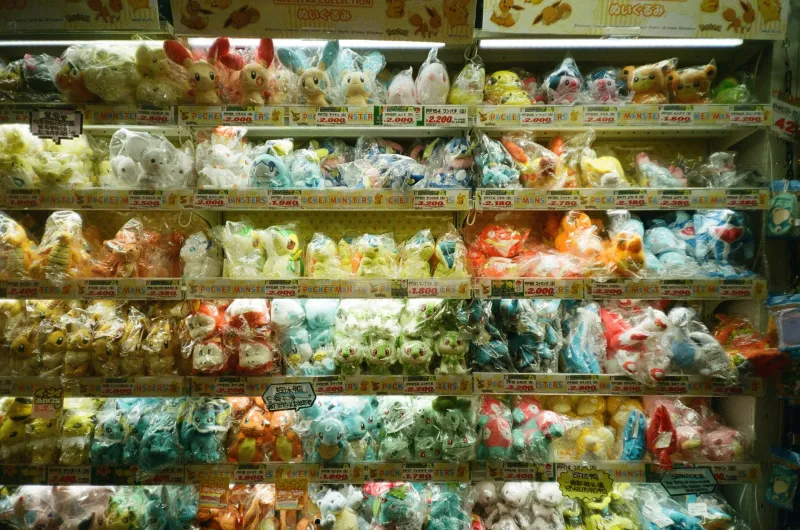
Saturday afternoon at a toy store can sound like a pinball machine with a sugar rush: carts rattling, a demo table beeping, someone’s kid announcing a meltdown in aisle three, and a Bluetooth speaker playing a playlist nobody chose. For plenty of shoppers, that buzz is half the fun. For others, it is a hard stop before they ever reach the LEGO shelf.
That is the gap sensory-friendly shopping hours are trying to close. Around Asheville, a handful of independent toy and game shops have started testing quieter windows — lower lights, softer music or no music at all, fewer carts on the floor, and staff who are not trying to win a volume contest. The goal is not to turn a toy store into a library. It is to make the toy aisle browsable for people who process noise, light, and crowds differently.
What Sensory-Friendly Hours Actually Look Like
There is no universal template, but the better versions share a few habits. Overhead lights get dimmed or partially switched off. Music and in-store announcements go silent. Demo tables may still be available, but staff keep the sound effects low or offer a quieter corner for hands-on play. Carts are limited, aisles get a little more breathing room, and employees are briefed ahead of time so nobody greets a sensitive shopper with a bullhorn-level “Can I help you find anything?”
Some shops go further: a small basket of noise-canceling headphones, fidget tools, or visual menus near the register. Others post a simple social story on their website — a few photos showing what the store looks like during quiet hours, where the bathroom is, and what the checkout counter looks like. None of this is complicated. Most of it is cheap. All of it signals that the store has thought about shoppers who are not served by the default chaos.
Why a Slower Aisle Sells More
The cynical read is that quiet hours are a nice gesture with no business payoff. The practical read is better: a calmer store is often a more decisive store. When a parent is not managing a sensory overload, they browse longer. When an adult collector is not dodging strollers and shrieking demo toys, they actually inspect the box corners. When a kid feels safe, they linger over a purchase instead of melting down near the exit.
That matters in a market where big-box stores can beat local shops on price and selection. Independents win on hospitality, and hospitality is not just a friendly hello. It is reading the room. A store that dims the lights for an hour is telling families and collectors that it sees them — and that is a competitive advantage no warehouse shelf can copy.
Asheville Shops Testing the Waters
Several independents around West Asheville and the River Arts District have been experimenting with quiet windows, usually during the first hour of a Sunday or a slower weekday evening. One common approach is a “low-sensory” opening: no music, half the lights, no cart corral blocking the aisles, and a staffer stationed near the front to answer questions quietly instead of shouting across the floor. A few game shops have paired the idea with a quiet table for solo puzzles or small-group card games, which gives shoppers a reason to stay rather than rush through.
The details vary because the spaces vary. A tiny collectible shop may only need to kill the radio and reduce capacity. A larger toy store may need to reroute traffic and post clear signs. What matters is that the hour is advertised honestly. A “quiet hour” with a loud demo table and a cashier yelling for a price check is worse than no quiet hour at all.
A Parent’s Field Guide
If you are planning a sensory-friendly visit, call ahead and ask specific questions: Is the music off or just turned down? Are the lights dimmed? How many shoppers are allowed in at once? Is the demo table active? Do you have a quiet space if my kid needs a break? A good shop will answer without making you feel like a nuisance.
Before you go, show your child photos of the store if they are available. Bring the supports you already use — headphones, a fidget, a visual schedule, a snack. Arrive early in the window rather than late, when the store may be filling up again. Set a budget and a soft exit plan, and do not treat the trip as a test. The point is not to prove your kid can handle a toy store. The point is to let them enjoy one.
A Store Owner’s Checklist
For shop owners, the barrier to entry is lower than it looks. Pick a genuinely slow hour. Dim the lights you can dim. Kill the music and the announcements. Post the quiet window on your website and social channels with clear hours. Train staff to offer help once and then back off. Keep a small sensory kit behind the counter — headphones, a few fidgets, maybe a printed visual guide. Limit capacity if your aisles are tight. Ask shoppers what worked and what did not. And please do not call it a “special needs hour” in your marketing. Call it a quiet hour, a slow morning, or a low-sensory window. The language matters.
The Collector’s Case for Quiet
This is not only a kid issue. Plenty of adult collectors deal with anxiety, ADHD, migraines, or sensory sensitivities that make a crowded toy aisle exhausting. A quiet hour gives them room to inspect packaging, compare editions, and ask staff questions without competing with a birthday-party crowd. In 2026, as collectible shelves get more crowded and resale pressure keeps climbing, that kind of unhurried browsing is not a luxury. It is how people avoid expensive mistakes.
The Bottom Line
A slower toy aisle is not a sad compromise. It is a better toy aisle for anyone who has ever left a store overstimulated and empty-handed. Asheville’s shops are still figuring out the format, and that is fine. The important part is that they are trying. If the trend keeps spreading, the city could end up with something worth copying: toy stores that treat calm as part of the inventory.