Orphan Figures, Second Chances: A Field Guide to Asheville's Loose-Parts Bins
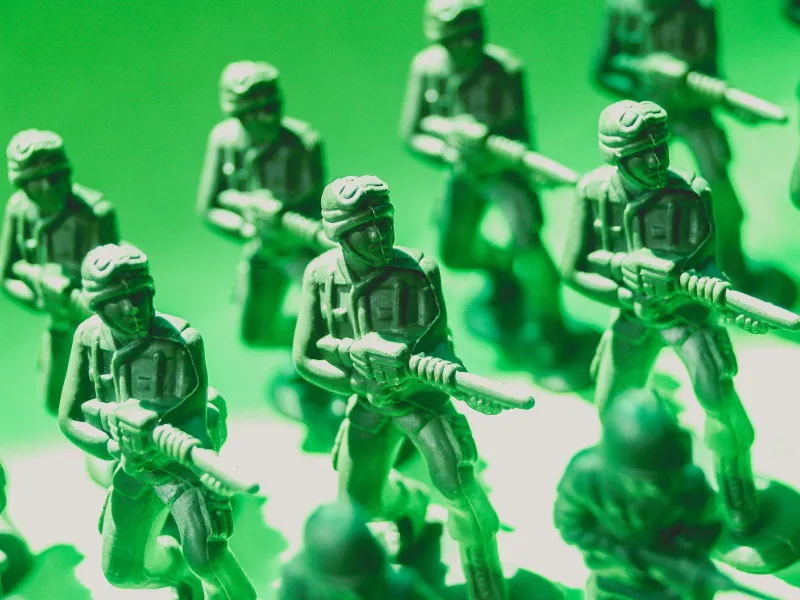
There is a particular sound in a good toy shop: the soft clatter of plastic arms, game tokens, and tiny rubber tires shifting in a bin. It is not the polished hum of a big-box aisle. It is the sound of possibility, slightly dusty and heavily discounted.
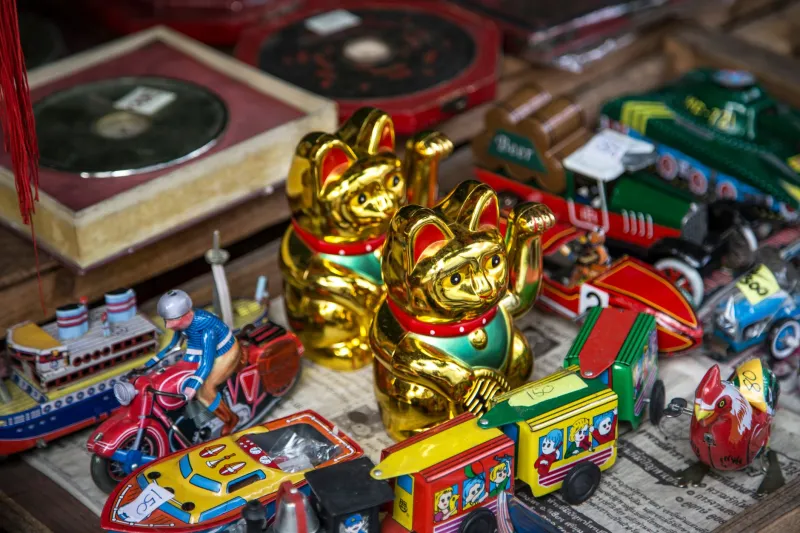
Asheville's indie toy shops have turned the loose-parts bin into something close to a local institution. One store's markdown shelf holds a one-winged dragon next to a bag of wooden game pawns. Another keeps a shallow tray of action figures near the register, each one missing something — a cape, a weapon, a hand — and priced accordingly. For parents, it is a cheap way to add play value. For collectors, it is a weekly excuse to dig.
But a bargain bin is not a guarantee. It is a lottery ticket with a price tag, and the fun comes from learning how to read it.
Why the bins deserve a second look
New toys are easy. They come complete, boxed, and photographed from four angles. Loose parts require imagination and a little homework. That is exactly why they can be worth the effort.
A missing piece often drops the price far more than it drops the actual play value. A board game missing one token may still be perfectly playable. A figure without its accessory can still be the exact character a kid has been hunting for. And for collectors, orphan pieces are sometimes the only affordable route to a grail-adjacent item — a vintage vehicle missing a windshield, a playset missing a ladder, a figure with a rubbed copyright stamp but a clean sculpt.
The key is to separate “incomplete” from “compromised.” Incomplete means something is absent. Compromised means the thing that remains is damaged, unsafe, or too far gone to enjoy. The bins are full of both.
What makes a find worth rescuing
Start with the obvious: does the piece have life left in it? Check joints, hinges, and seams. A stiff joint can often be loosened. A cracked socket is a different story. Look for chew marks, deep scratches, sun fading, and sticky residue. Some wear is honest play history. Some wear is a warning.
Then ask the practical question: can this toy do its job without the missing part? A toy car missing a decal still rolls. A doll missing a shoe still gets played with. A board game missing its rulebook can often be researched online, but a game missing half its cards is usually a craft-supply donation waiting to happen.
For collectors, condition matters more. Check copyright stamps, country of origin, and mold numbers. A loose figure with a faded stamp may still be identifiable by sculpt and paint. A vehicle missing a rare canopy may be worth buying only if you already have the canopy — or if you enjoy the hunt more than the finished display.
The compatibility check
Loose bins are a mix of scales, brands, and eras. Before you buy, test what you can. If the shop allows it, bring a known piece from home — a game token, a figure accessory, a building-brick element — and compare size and fit. Most indie shops are fine with careful handling, but ask first.
Scale is the sneaky one. A six-inch figure and a three-and-three-quarter-inch figure can look similar in a bin and be completely incompatible. Peg sizes, ball joints, and connector shapes vary wildly. For games, count the pieces against the box or a photo on your phone. For building sets, check stud size and clutch power. For dolls and playsets, look at whether the missing piece is a universal shape or a brand-specific mold.
If you cannot verify compatibility, price the gamble accordingly. A two-dollar mystery piece is a fun experiment. A twenty-dollar mystery piece is a commitment.
Safety first, treasure second
The bargain bin is not the place to skip the safety check. Small parts are a choking hazard for young children, and loose bins often mix pieces that were never meant for the same age group. Check for magnets, button batteries, small screws, and breakaway parts. If a piece rattles, opens easily, or has exposed wiring, leave it.
Look for recalls and known problem batches, especially with vintage items. Old paint can be a concern, and vintage electronics may have brittle wiring or battery corrosion. If a toy smells strongly of mildew or chemicals, pass. If it has been stored in a garage or attic, inspect it in daylight before it goes near a kid.
For collectors, safety is less about play and more about preservation. Keep loose pieces away from pets and toddlers, and store small accessories in labeled bags or compartment boxes. A rescued toy is only a good rescue if it stays out of the vacuum.
Cleaning without making it worse
Most hard plastic toys can handle a mild soap-and-water wipe. Use a soft cloth or toothbrush, and keep water away from electronics, stickers, and paper labels. Test any cleaner on a hidden spot first. Avoid harsh solvents on painted surfaces and never soak a toy with metal parts unless you are prepared for rust.
For sticky residue, warm water and a little dish soap often do the trick. For ink marks, try a small amount of rubbing alcohol on a cotton swab — carefully, and only on unpainted plastic. For fabric or plush, follow the care label if there is one; otherwise, spot clean and air dry.
Do not use a magic eraser on vintage paint or decals unless you are comfortable losing them. And skip the temptation to “restore” a piece with repaint unless you know what you are doing. Original wear is often better than a bad touch-up.
Completing the rescue
Once you get a loose piece home, give it a job. A missing-part game can become a travel version. An orphan figure can join a display shelf as a “field find.” A bag of mixed pieces can become a sorting activity for kids or a donor stash for future repairs.
If you want to complete a toy, start with the shop that sold it. Local toy shops often keep a box of stray pieces in the back, and a friendly ask can turn a lonely figure into a matched set. Online collector communities and parts lots can fill gaps, but compare the cost of completion against the cost of just buying a complete example. Sometimes the rescue is the point. Sometimes it is a money pit.
When to walk away
Walk away when the missing part is the toy. Walk away when the plastic is brittle, the smell is wrong, or the safety risk is unclear. Walk away when completing the item would cost more than a complete one in better condition. And walk away when you are buying only because the bin is cheap — that is how clutter starts.
A good bargain-bin find should feel like a small win, not a project you dread. If you are excited to clean it, identify it, or hand it to a kid, it is probably worth the few dollars. If you are already planning a spreadsheet of replacement parts, maybe leave it for the next hunter.
Local rules of the hunt
Asheville's toy shops are small, social places. Be gentle with the bins, put back what you do not want, and ask before testing pieces. If you find something genuinely great, tell the shop — they may remember you when the next box comes out. And if you are a parent, set a budget before you start digging. The loose-parts lottery is more fun when it stays a treasure hunt and not a tab.
The bins will never be tidy. That is part of the charm. Somewhere in that clatter is a figure missing a hand, a game missing a pawn, or a vehicle missing a wheel — and a second chance with your name on it.