Glass Shelves, Dusty Regrets: How Asheville Collectors Really Display Their Toys
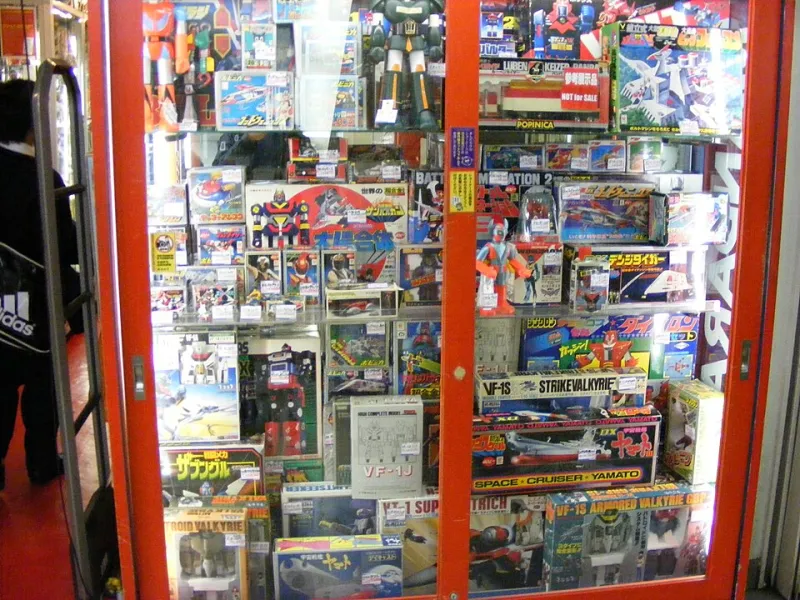
Walk into any collector's home in West Asheville and you'll notice something within about ten seconds: there's a line. On one side of the room, shelves bursting with loose action figures you can pick up, pose, and hand to a curious five-year-old. On the other side, a sealed glass or acrylic case glowing like a museum exhibit, everything MIB, everything facing forward, everything absolutely not for touching.
Every collector eventually has to pick a side — or figure out how to live in the middle. We talked to local collectors and shop owners around town to get their take on the oldest argument in the hobby.
The Case for the Open Shelf
"Toys are meant to be touched," is how one longtime collector over in Biltmore Village put it, standing next to a shelf of loose G.I. Joes that clearly get handled. "If I wanted to look at plastic through glass, I'd go to a museum. Half the joy of this hobby is picking something up, remembering where you got it, and smiling."
There's real truth there. Open shelves invite interaction. Kids can engage with your collection (carefully), guests ask questions, and you actually enjoy the things you spent years hunting down. A collection behind glass can start to feel like a hostage situation.
The Case for the Case
Then there's the sun problem. Asheville gets gorgeous mountain light, and that same light pouring through your south-facing windows is quietly bleaching your vintage figures one UV photon at a time. A local shop owner who deals in vintage toys told us faded plastic is one of the most common things he sees walk through the door — and it tanks value fast.
"People bring in figures that were displayed on a sunny windowsill for five years," he said. "The color's gone. There's no fixing it."
Add dust, humidity swings, and the universal law that every houseguest somehow finds the one shelf you care about most, and the sealed case starts looking pretty smart.
What the UV Reality Check Looks Like
If you go the open-shelf route, a few rules will save you:
- Keep shelves out of direct sunlight. Indirect light is fine; a sunbeam is a slow-motion disaster.
- Rotate displays. Swap pieces every few months so nothing sits in the same light year-round.
- Dust regularly with a soft brush. Dust holds moisture and grime against plastic.
- Watch the basement. Western North Carolina humidity can warp carded figures and peel bubbles fast.
Budget Setups That Actually Work
You don't need a custom vitrine to protect your stuff.
- Under $50: IKEA DETOLF-style cabinets (or their secondhand cousins from estate sales — see our earlier piece on where those turn up) are the collector standby for a reason.
- $50–$150: UV-filtering window film is cheap, invisible, and the single best upgrade for a room with big windows. Pair it with open shelving and you get the best of both worlds.
- Splurge: Custom acrylic cases with UV inhibitors for your grails. If a figure is genuinely irreplaceable, this is the move.
The Verdict? Do Both
The collectors we talked to who seemed happiest had stopped treating it as a binary. Loose, durable pieces live on open shelves where they get handled and loved. Carded, vintage, or fragile pieces live behind UV-protective glass or acrylic.
The toy box, after all, is for playing. The display case is for preserving. Most collections need a little of both — and honestly, that's half the fun of building one.