Thirty Bucks, Zero Regrets: An Age-by-Age Birthday Gift Guide for Asheville Parents
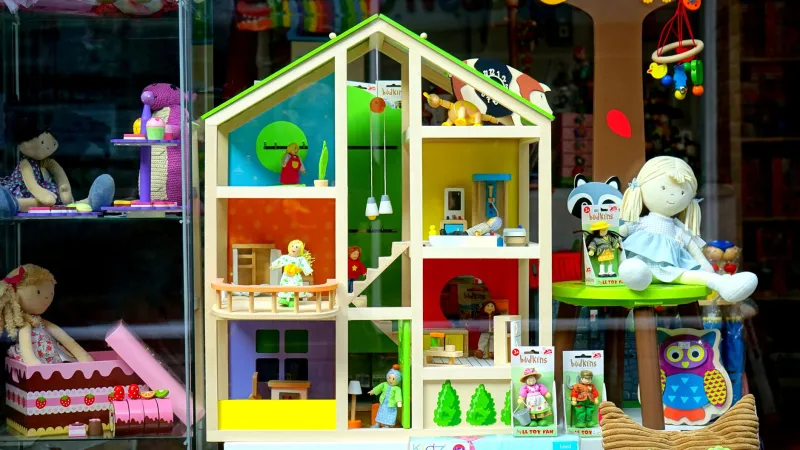
Every parent in Asheville knows the moment: a birthday party invite comes home in the backpack, and suddenly you've got forty-eight hours and a budget to find something that won't end up in a donation bin by March. The good news? This town is packed with independent shops where thirty dollars goes further than you'd think — if you know what to grab.
We talked to parents from West Asheville to Weaverville and pulled staff favorites from around the local scene to build this age-by-age cheat sheet. No filler, no fifty-dollar board games, no plastic noise-makers that die in a week.
Ages 1–3: Chunky, Washable, and Hard to Destroy
Toddlers don't want complexity — they want texture, cause-and-effect, and things that survive a drop off the coffee table. Local parents consistently point to the same under-the-radar picks:
- Wooden pull toys — a classic for a reason. Look for ones with a wobbly, comical walk; toddlers will drag them across hardwood floors for an entire afternoon.
- Stacking cups and nesting blocks — cheap, endlessly replayable, and they double as bath toys.
- Simple plunger-style poppers or squiggle rings — the kind of thing grandparents never think to buy but kids orbit around.
One West Asheville mom put it plainly: "If it can go in the dishwasher or the bathtub, it's a win." Budget check — most of these land between $12 and $25, leaving room for a birthday card and a snack for the car ride.
Ages 4–6: The Golden Age of Cheap Wonder
This is where independent shopping really shines. Big-box stores push licensed everything at this age, but kids four to six are genuinely delighted by things that don't have a cartoon character slapped on them.
- Magnetic tile starter sets — a small pack (12–20 pieces) often runs under $30 and plugs into whatever they already have at home.
- Beginner card games — think fast, silly, ten-minute rounds. Staff at local game counters will tell you: the games parents hate are the ones with thirty pages of rules. At this age, if the rules fit on a card, it's a hit.
- Kinetic sand or dough kits with a twist — add a small tool set and you've turned a $10 toy into a $20-looking gift.
A preschool teacher in Haw Creek swears by "one art thing, one game thing" as a formula. Two items, both under $30 combined, and the kid gets variety without the giver blowing the budget.
Ages 7–9: Trade Loud for Clever
Second and third graders are building identities — dinosaur kid, soccer kid, drawing kid — and the best gifts feed the obsession rather than distracting from it.
- Pocket-sized strategy games — dice games and small-box card games in the $15–25 range are the workhorses here. Ask a local game shop staffer what's flying off the shelf; they know what's actually getting replayed.
- Build-it kits — small model sets, snap-circuit intro kits, or a birdhouse kit for the backyard crowd. The magic is the two-hour build, not the finished product.
- Fancy art supplies — a real sketchbook, a set of quality colored pencils, or a how-to-draw book aimed at their current hyperfixation. Kids this age notice when art supplies aren't the drugstore variety.
One trick from a Leicester dad: pair a small game with a bag of good snacks and call it a "game night kit." Total cost stays under $30 and the presentation does the heavy lifting.
Ages 10–12: The Tween Tightrope
Tweens are the hardest demographic on the list. Too cool for toys, too young for whatever they actually want. The move is leaning into what they're already into — and going slightly more grown-up than feels safe.
- Intermediate card games and party games — this is the age where game night actually starts. A $20–28 game with genuine replay value beats a novelty item every time.
- Puzzle cubes and fidget-adjacent brain toys — the collectible-adjacent stuff tweens trade at lunch. Under $15 usually.
- Model paints, mini kits, or journaling supplies — for the creative-leaning tween, a step-up in quality signals you take their hobby seriously.
- A gift card to a local game shop — yes, it's technically a cop-out, but pair it with a small item and a tween gets the thrill of picking their own thing. Local shops beat big-box credit every time.
A mother of three in North Asheville has a rule worth stealing: "By tween age, the gift should make them feel like a teenager, not a baby." Anything that does that under $30 is a home run.
The Local Advantage
Here's the honest math. Independent toy and game shops around Asheville carry small-batch and lesser-known brands that big-box stores simply don't stock — and the prices frequently land in the same $15–30 band as the mass-market stuff. The difference is that a local staffer can tell you which game a seven-year-old will actually play twice, and which one will sit unopened.
A few closing tips from the parents we heard from:
- Ask the staff, always. They know what's getting returned and what's getting requested by name.
- Buy one good thing, not three mediocre things. Kids remember the favorite gift, not the pile.
- Keep a small gift stash. Several parents grab a couple of crowd-pleasers when they see them, so the next party invite never triggers a panic.
Thirty dollars won't buy the biggest box under the tree — but it can buy the one that gets played with until it falls apart. Around here, that's the better trade.